Understanding the Burren
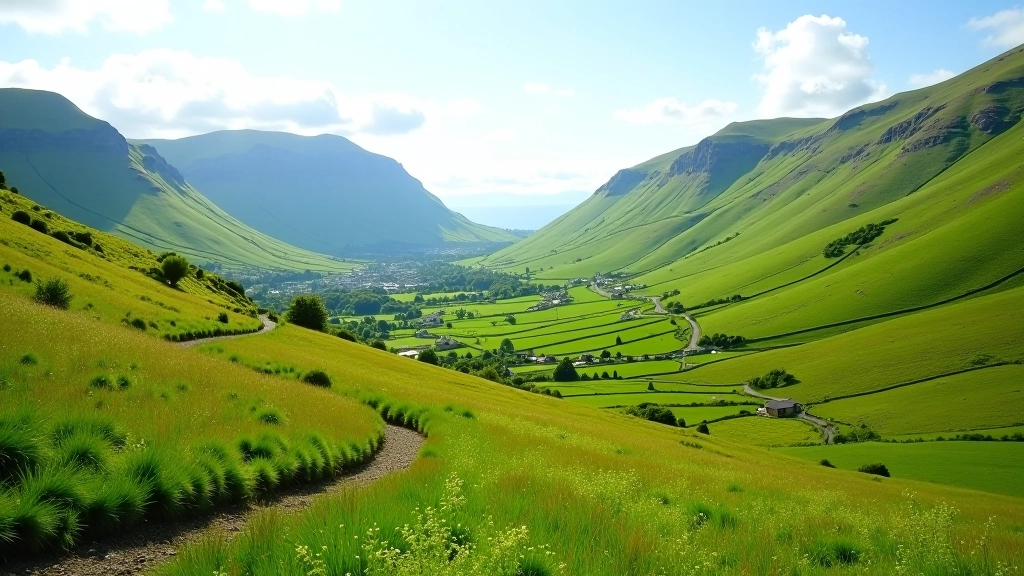
The Burren is unlike anywhere else in Ireland. This 116-square-kilometre area in County Clare sits between the Atlantic coast and the rolling green countryside you'd expect. What you'll actually find is something extraordinary — vast expanses of limestone pavement that look almost alien, dotted with wildflowers, ancient monuments, and hidden valleys.
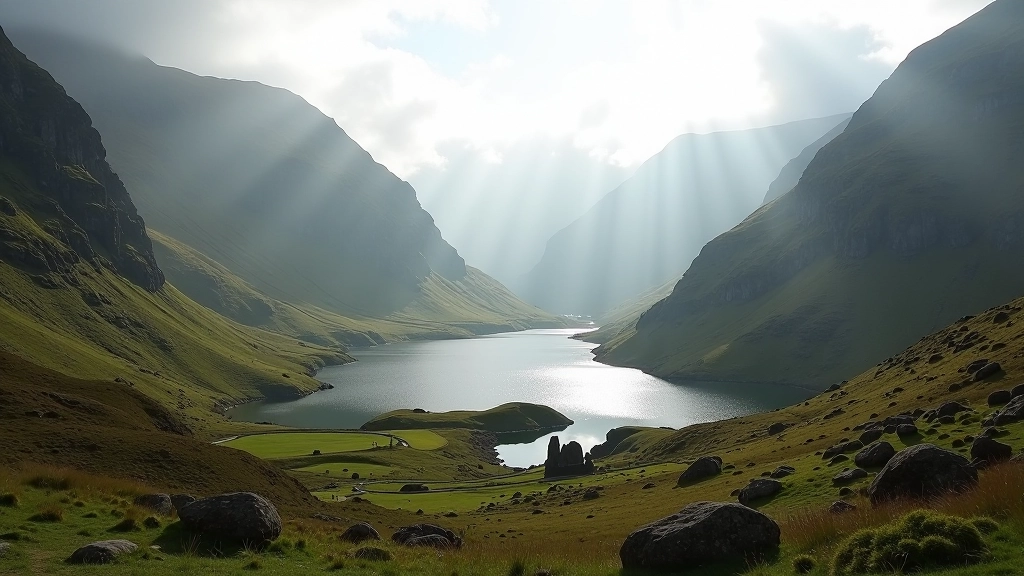
The landscape here doesn't follow typical Irish rules. Instead of lush grass everywhere, you're walking on exposed limestone with pockets of soil where rare plants thrive. The whole place has this stark beauty that changes completely depending on light and weather. One moment it's golden and warm, the next it's dramatic and moody. That's part of what makes it special.
Walking here isn't just a physical experience — it's visual and emotional. You're moving through geology. The rocks beneath your feet have been shaped over millions of years, and you can see layers of history in the landscape itself. Plus, the Burren Way is well-marked and maintained, which means you don't need to be an expert navigator to explore it safely.
This article provides educational information about walking routes in the Burren. Conditions vary seasonally and weather can change rapidly. Always check local forecasts, wear appropriate footwear for rocky terrain, and bring a map. If you're unfamiliar with the area, consider walking with someone experienced or hiring a local guide for your first visit.
The Three Routes: Finding Your Fit
The Burren Way offers flexibility. You're not locked into one experience. Instead, you can choose based on your fitness, time available, and what you want to see. The three main options give you genuine variety, not just different starting points for the same walk.
Route One: The Easy Loop (8 km / 2-3 hours)
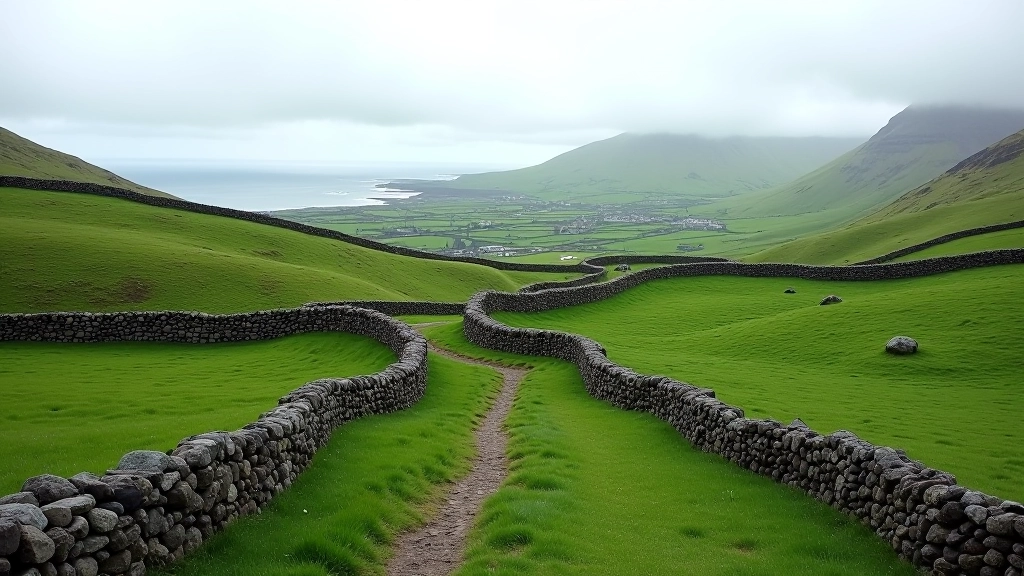
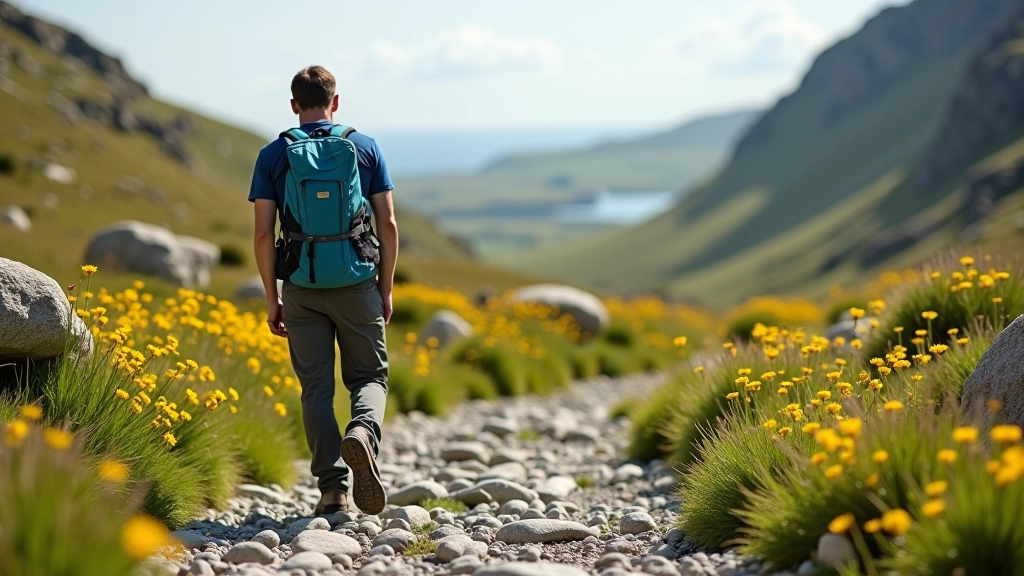
This route starts near Ballyvaughan and stays relatively flat, following established paths through the northern Burren. You'll walk through limestone woodland, past the Ailwee Caves entrance, and along green lanes where farmers used to drive cattle. The pace is gentle, the paths are clear, and there's minimal scrambling.
What you'll see: Ancient stone walls, the entrance to Ailwee Caves (you can pop inside if you want), views toward Galway Bay, and some of the gentler wildflower meadows the Burren is famous for. You'll pass Fanore Beach on the way back if you extend slightly. It's genuinely beautiful without being exhausting. Most people do this in the morning and still have energy for a proper lunch.
Route Two: The Moderate Trail (12 km / 4-5 hours)
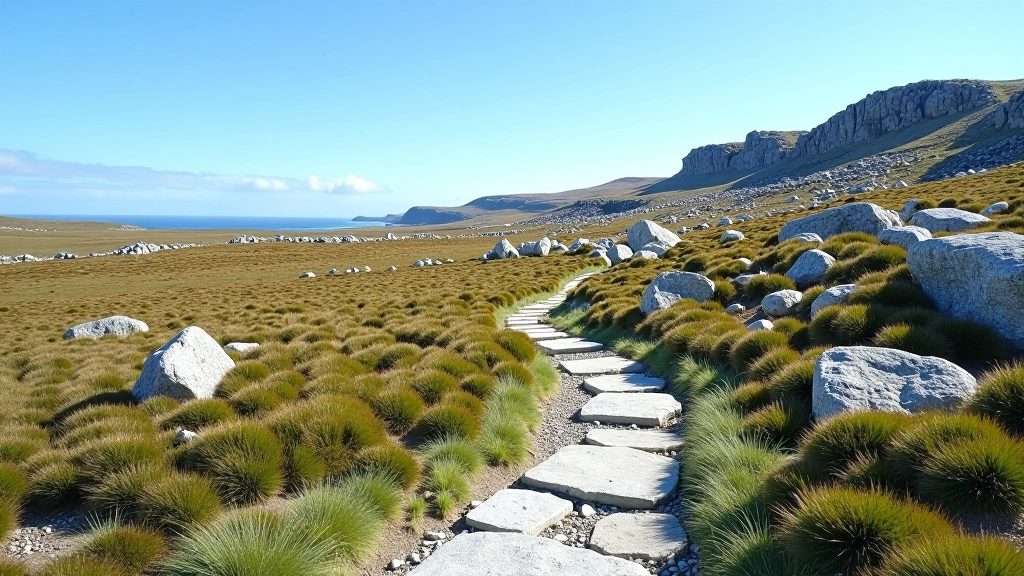
This is the classic Burren Way experience. It combines sections from the official Burren Way loop, taking you from Corofin through the heart of the limestone landscape and up toward higher ground. You'll encounter proper limestone pavement here, the kind that looks otherworldly. The trail climbs gradually but steadily, and there's more rock scrambling involved.
What you'll see: The famous "cracked" limestone formations up close, views across multiple valleys, several ancient monuments including cairns and standing stones, and on clear days, views to the Aran Islands and Connemara Mountains. You'll walk past some isolated farmhouses and through sections where the landscape feels genuinely wild. The difficulty comes more from the terrain than the distance — rocky footing requires concentration and proper boots.
Route Three: The Full Challenge (18 km / 6-7 hours)
This is a serious day out. It combines multiple sections of the official Burren Way into one extended loop that covers real elevation gain and more technical terrain. You're looking at roughly 600 metres of climbing spread across the day, which doesn't sound dramatic until you're doing it on uneven limestone.
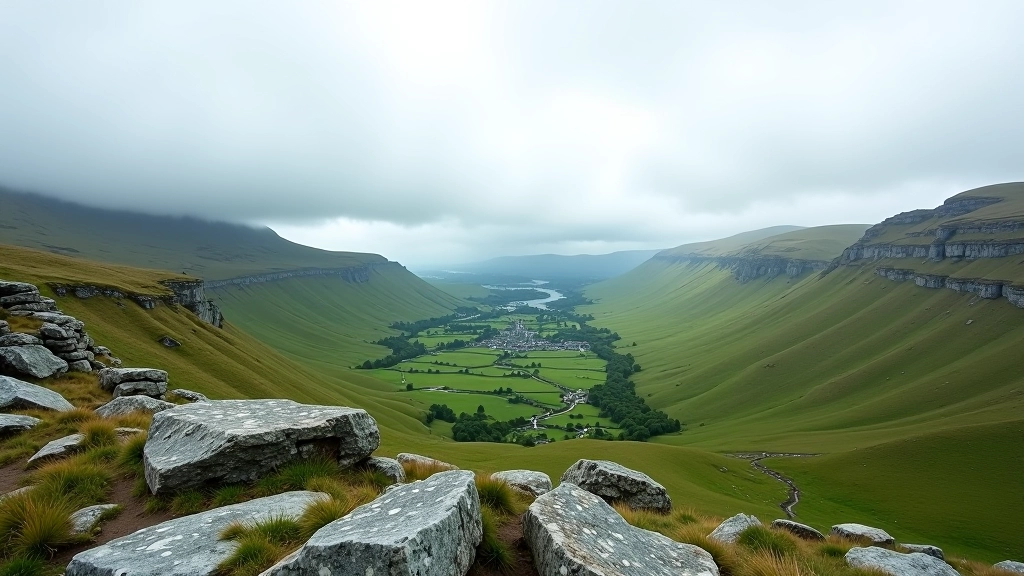
What you'll see: Everything. High vantage points over the entire Burren region, deeper into the remote interior, encounters with goats that live wild here, and sections where you feel genuinely far from civilization. You'll pass through the Carron Depression (the "lost valley" feel), climb toward Cappanawalla, and navigate some sections that require map-reading skills. This route isn't for beginners, but if you're comfortable hiking and have done hill walking before, it's entirely manageable with proper preparation.
Making the Right Choice for You
Picking the right route isn't just about fitness level. It's about knowing what you want from the experience and being honest about your capabilities.
Choose Route One If...
- You're visiting Ireland for the first time and want a taste of the Burren
- You have limited time (under 4 hours) or limited fitness
- You're traveling with young children or older family members
- You prefer established paths and minimal navigation
- Weather looks uncertain — it's easier to bail out early
Choose Route Two If...
- You've done hill walks before and want a proper day out
- You want to see the iconic Burren limestone formations
- You're comfortable with rocky terrain and scrambling
- You have 5-6 hours and reasonable fitness
- You want the full experience but don't need the full challenge
Choose Route Three If...
- You're an experienced hill walker looking for a serious day
- You want to see the remote interior and highest points
- You're comfortable reading maps and navigating
- You have 7+ hours and good fitness levels
- You want solitude and the wildest parts of the landscape
Essential Preparation
The Burren isn't a casual stroll. The landscape is exposed, weather changes fast, and mobile signal is spotty in places. Preparation isn't about being paranoid — it's about enjoying yourself without stress.
What Actually Matters
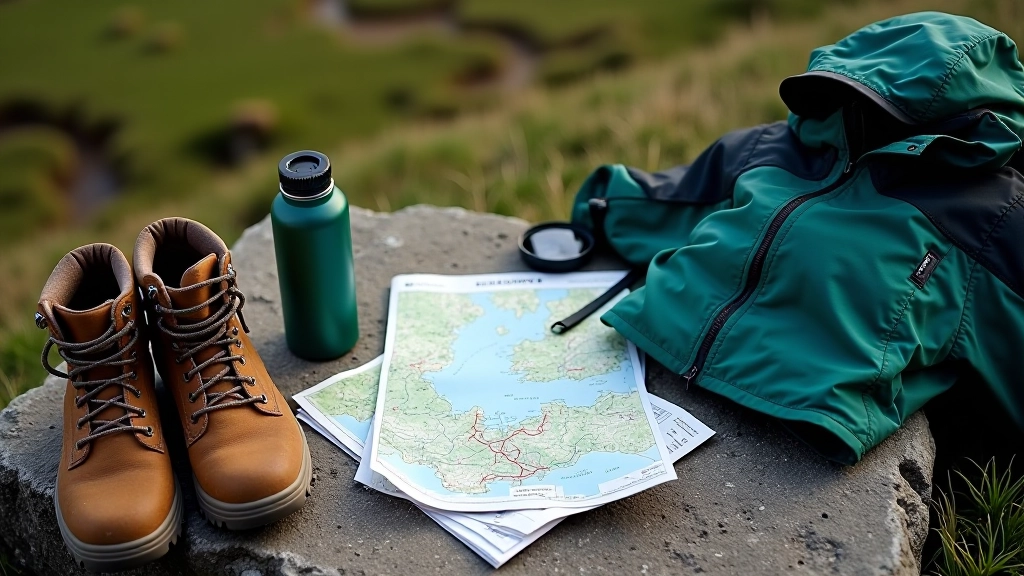
Footwear is non-negotiable. The limestone is sharp and unforgiving. Regular trainers will wear out fast and won't give you grip. Proper hiking boots with good ankle support and sticky soles are the difference between an enjoyable walk and an uncomfortable one.
Weather layers matter more than you'd think. Even in summer, the Burren can be windy and cool once you're exposed on the limestone. A waterproof shell, a fleece or base layer, and something windproof are essential. You'll overheat walking, then cool down during breaks.
Bring more water than seems necessary. There's no reliable water source on most routes, and the exposed landscape means sun exposure. For the moderate and challenging routes, you're looking at 1.5-2 litres minimum per person.
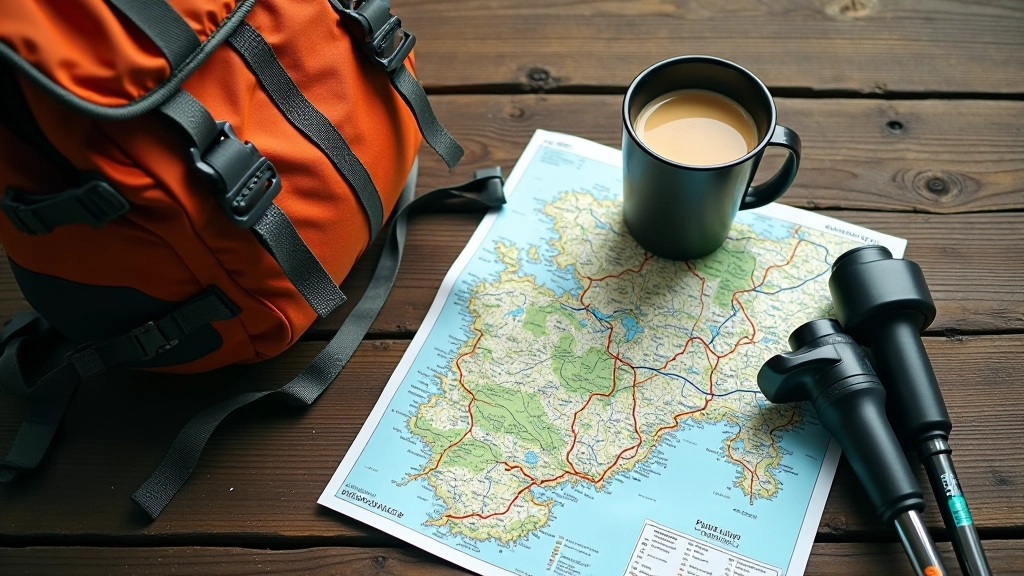
A proper map is genuinely useful. The Burren Way is marked, but having a 1:50,000 OS map and knowing basic navigation skills means you won't stress if you lose the path briefly. Route Two and especially Route Three benefit from this knowledge.
Timing and Seasons
The Burren changes dramatically with the seasons. Summer is the obvious choice, but each season has something different to offer.
Spring (April-May) brings wildflowers — gentians, primroses, and rare orchids bloom between the rocks. It's genuinely spectacular if you time it right. Weather is unpredictable though, so layers are essential.
Summer (June-August) is the busiest and most reliable. Daylight is long (sunset around 10 PM in late June), and the paths are driest. It's also when temperatures are warmest, though still mild by Mediterranean standards. Tourist crowds are real, especially July-August.
Autumn (September-October) is underrated. The light is golden, tourist numbers drop significantly, and the weather is often more stable than spring. September especially feels like summer with better light.
Winter (November-February) is challenging. Days are short, weather is wet and windy, and the limestone becomes genuinely slippery. It's not recommended for the challenging route, but experienced walkers sometimes enjoy the solitude and dramatic conditions.
What to Actually Expect
The Burren Way delivers what the guidebooks promise, but real experience differs from description. You'll get tired — it's more tiring than the distance suggests because of the terrain. Your legs will feel it, especially Route Three. Bring ibuprofen and don't be surprised.
You'll also get unexpected moments of peace. There are stretches where you genuinely don't see another person for hours. The landscape has this effect on you — it's big and empty in a way that most places aren't. Some people find that uncomfortable. Others find it exactly what they needed.
The walking itself is straightforward on Route One, moderately challenging on Route Two, and genuinely demanding on Route Three. But none of these routes require mountaineering skills or serious technical ability. They require fitness, preparation, and respect for the environment. Do that, and you'll have a memorable day.