Getting Started with Killarney National Park Trails
A beginner's guide to the easiest and most scenic walks in Killarney. Covers distance, difficulty, and what you'll actually see on each trail.
Read Guide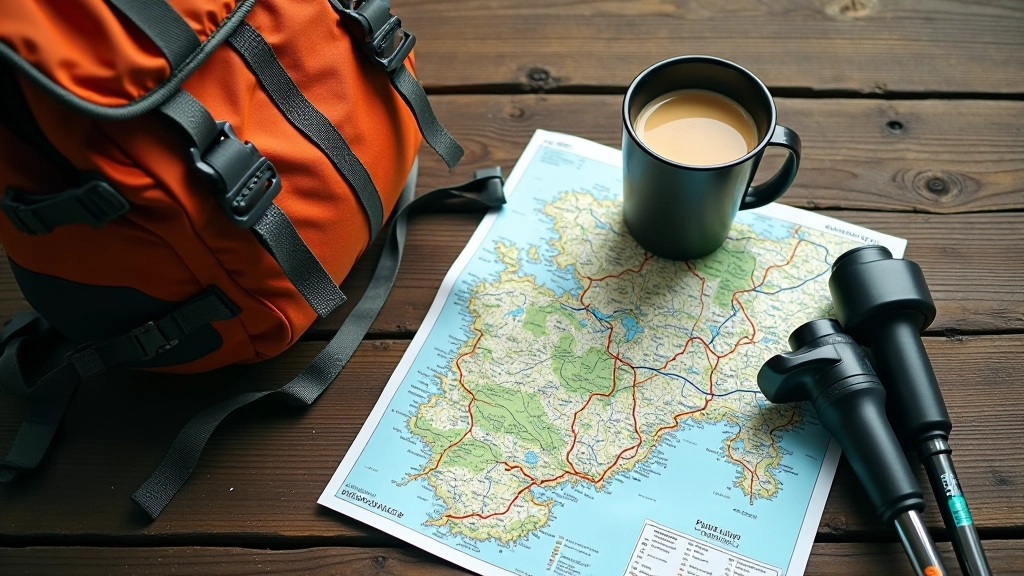
What to pack, how to check weather, and why starting small actually makes you enjoy hiking more. No complicated gear needed.
Your first Irish day hike doesn't need to be complicated. The truth is, most beginners overthink it — worrying about fancy gear or worrying they're not fit enough. You don't need either. What you do need is a realistic plan, proper weather checks, and a honest conversation with yourself about distance.
We've seen hundreds of people start hiking in Ireland. The ones who stick with it aren't the ones with the most expensive boots or the fittest legs. They're the ones who chose a realistic route, packed smart, and actually enjoyed the walk instead of suffering through it. That's the difference between a hike you'll repeat and a hike that puts you off the whole thing.
This guide is informational and based on general hiking practices. Weather conditions in Ireland change quickly — always check current forecasts before you go, bring a charged phone, and let someone know your route. If you're unsure about a trail, start with a guided walk. That's not weakness; it's smart.
This sounds obvious, but we see it all the time — someone picks a "challenging" trail because they think they should, then they're miserable 3 km in. Your first hike isn't about proving anything. It's about discovering whether you actually like hiking.
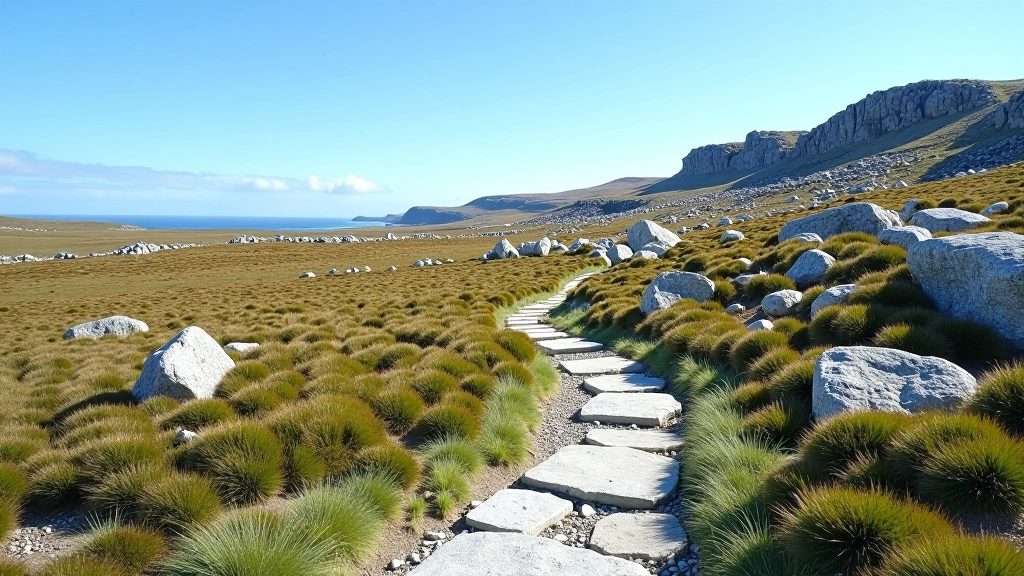
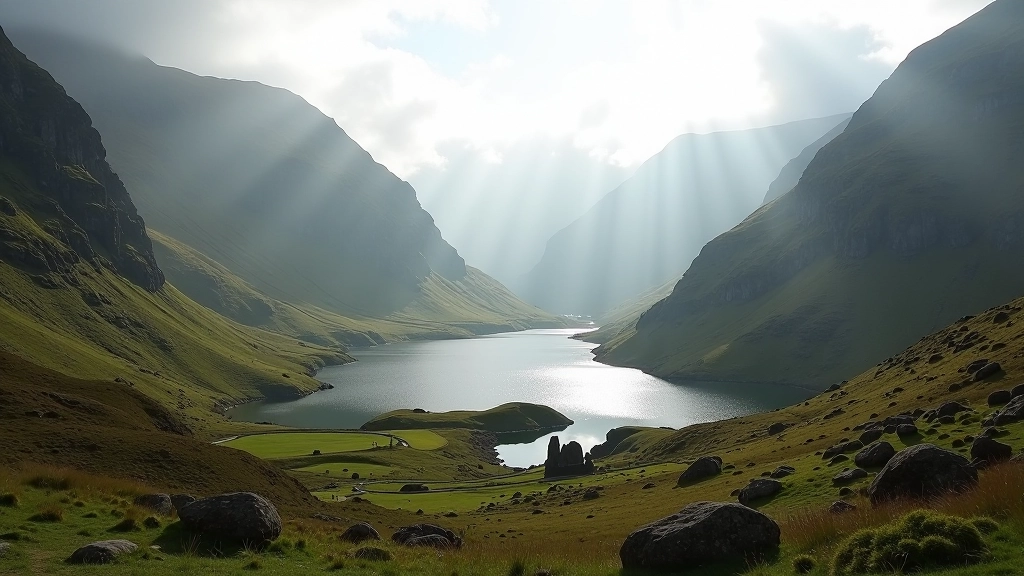
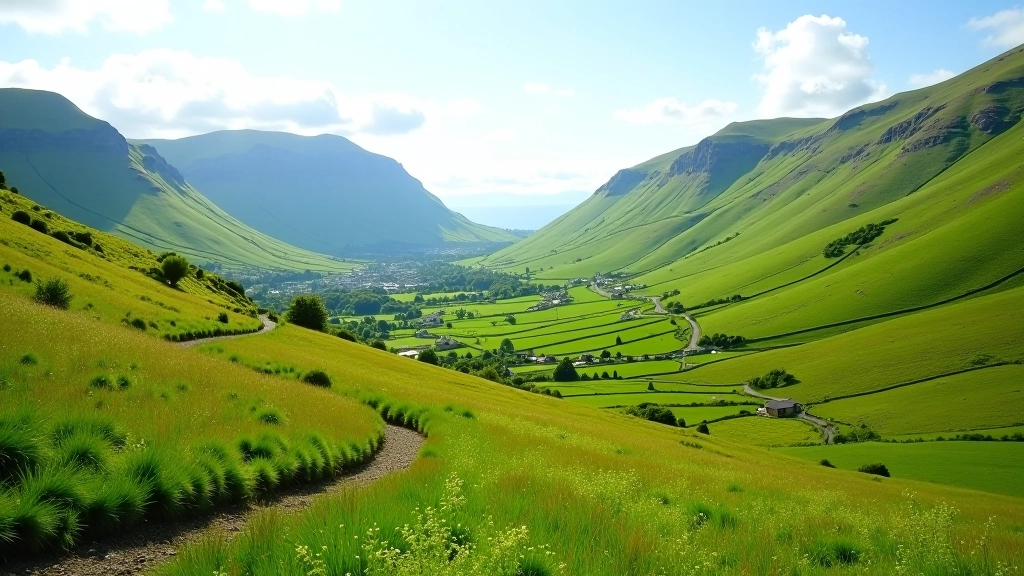
A good beginner route in Ireland is 4-7 km, mostly flat or gently rolling, with a clear path. Killarney National Park has at least five walks fitting that description. The Burren Way offers shorter sections you can do as day walks. Glendalough has lake-level paths that feel special without being punishing. Look at photos of routes you're considering. If the landscape appeals to you — whether that's lakes, mountains, forests, or coastline — you're more likely to finish and want to go back.
Time it realistically. Most people walk at 3-4 km per hour on easy terrain. Add an extra 30-45 minutes if you're stopping for photos or a break. If a route says 1.5 hours, plan for 2.5 hours door-to-door including parking and getting to the actual trailhead.
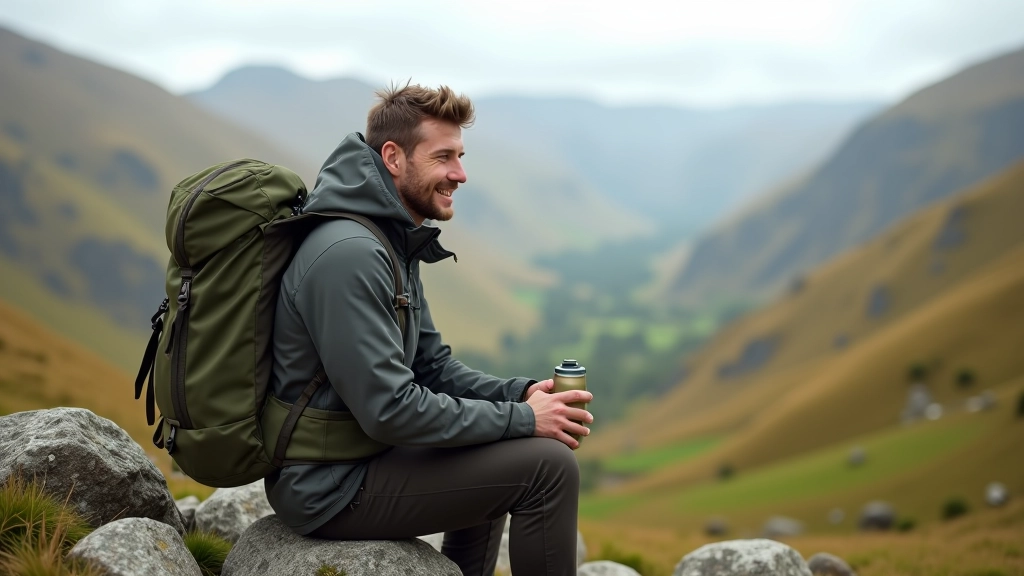
You don't need technical gear for a beginner day hike. You need the basics — and you probably have most of them at home already.
At least 1.5 liters for a half-day hike. More if it's warm. You can't rely on finding a shop on the trail.
Trail mix, a banana, an energy bar. Nothing fancy. Something you'll actually eat and something that won't spoil.
Ireland's weather is unpredictable. A t-shirt plus a fleece or thin jacket that packs small is enough. You can always take it off if you warm up.
Not for Instagram. For emergencies and to download a map offline just in case.
Irish sun reflects off water and stone. You'll burn faster than you think.
Plasters, paracetamol, blister treatment. Most problems on a day hike are blisters and minor scrapes.
That's it. A small rucksack — 15-20 liters — carries all of this comfortably. Don't buy expensive hiking boots for your first walk either. Trainers with good grip work fine if you're staying on clear paths. Save the gear investment for when you know you'll actually keep hiking.
Ireland's weather changes in hours. A morning forecast doesn't mean much if you're hiking in the afternoon. Check the forecast the evening before, again the morning of, and once more two hours before you leave.
You're looking for three things: wind speed, precipitation chance, and visibility. If wind is forecast above 40 km/h, mountain paths get dangerous — stick to lowland routes. If rain's likely, make sure your layers are waterproof or quick-dry, not cotton. Visibility matters more than you'd think. Fog can roll in quickly on mountains, making it hard to navigate even on clear paths.
Use multiple sources. The Irish Met Office is reliable. Weather.com gives hourly breakdowns. If you're not sure, don't go. There's always another day.
Most people who quit hiking early didn't run out of fitness. They ran out of motivation. They chose wrong, got uncomfortable, and decided it wasn't for them.
The way to avoid this: know you can finish. If you've walked 5 km before — even just around town — you can do a beginner hiking trail. It's the same distance, just on uneven ground. Your legs might feel it a bit more, but it's manageable. That confidence makes all the difference between "this is hard but doable" and "I've made a terrible mistake."
Tell someone where you're going and when you'll be back. Not because you'll definitely get lost, but because it's one less thing to worry about. When you're not anxious, you actually enjoy the views. When you're enjoying the views, you want to do it again. That's how people become hikers.
Your first hike sets the tone. If it's enjoyable, you'll want to do it again. That's why route choice matters so much — you're not just getting exercise, you're building a habit. Start where you know you'll succeed, and everything else gets easier.
The best hikers we know started exactly where you are. They picked an easy route, brought basic gear, and discovered they actually enjoyed it. Now they tackle longer walks and steeper terrain because they've built real confidence, not because they forced themselves to suffer through a difficult first hike.
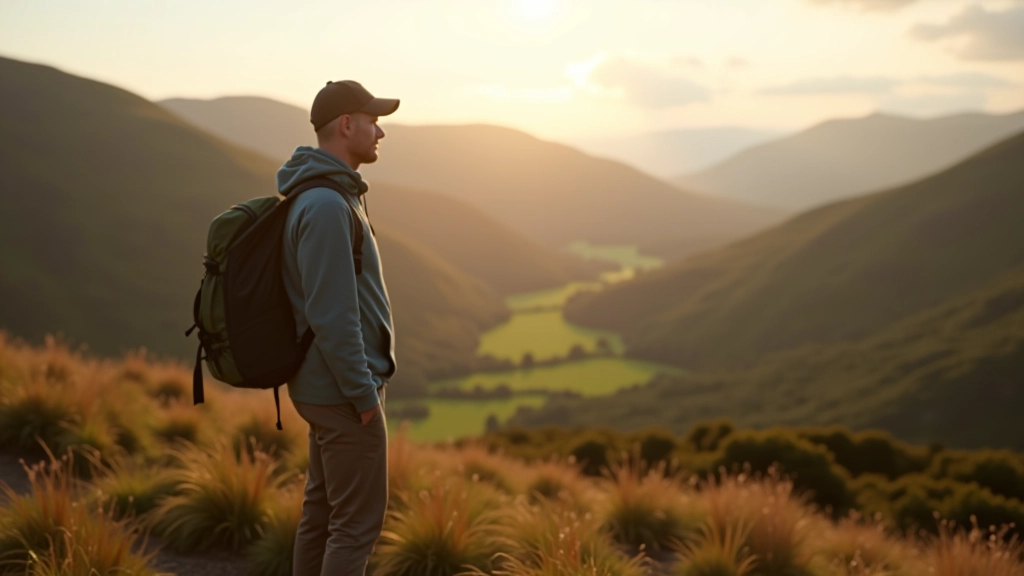
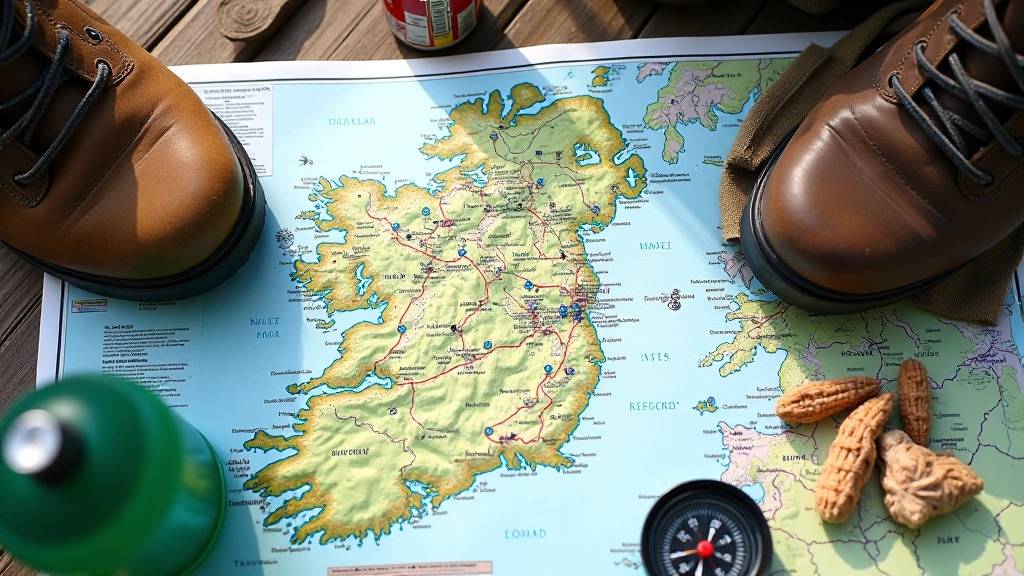
The hikers who enjoy their walks most aren't the naturally athletic ones. They're the ones who prepared properly. They knew the distance, checked the weather, packed smart, and showed up ready. That takes maybe 30 minutes total.
You don't need expensive gear. You don't need to be super fit. You just need a plan. And honestly, that plan is simpler than you think. A realistic route. Basic supplies. A weather check. Someone who knows where you're going. That's the difference between a hike you'll remember fondly and one you'll never repeat.
Most people think hiking is about reaching the top or finishing the route. It's actually about the hours in between. The quiet moments when you're just walking. The views that appear around corners. The conversation with someone walking next to you. The realization that your legs are stronger than you thought.
If you chase the finish line on your first hike, you'll miss the point entirely. Pick a route you can walk at a comfortable pace. Stop for breaks. Take photos. Sit down for 10 minutes and just be present. That's when hiking becomes something you'll want to repeat — not because you "conquered" something, but because you genuinely enjoyed being outside.